
Learn More About The Role of Science in Tackling Environmental Challenges
Carbon Dioxide Sequestration
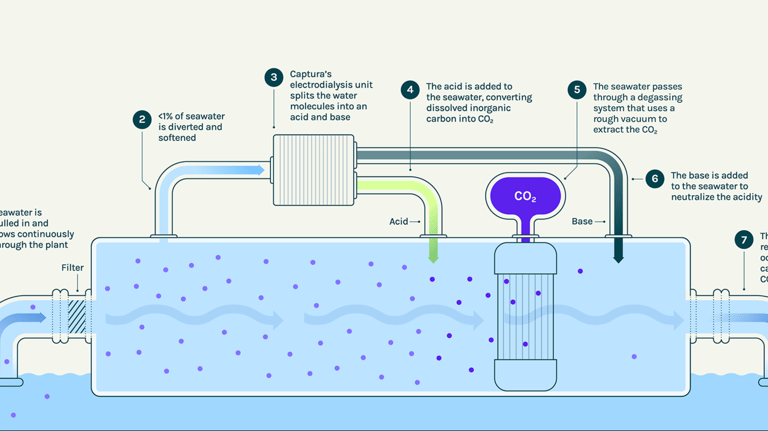
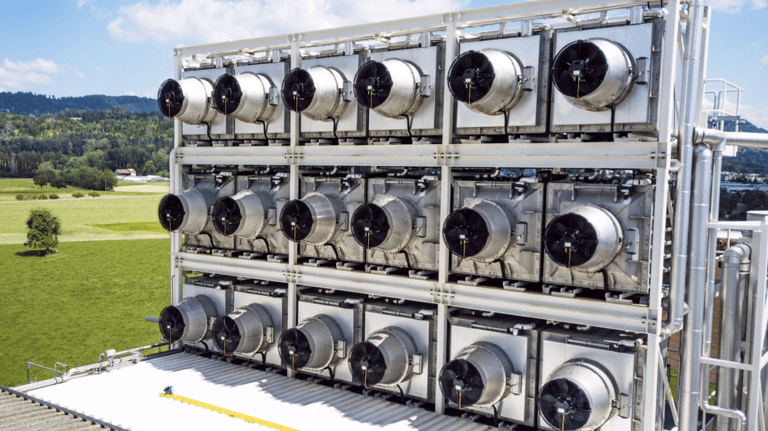
Companies explore carbon recapture through molecular separation and electrodialysis
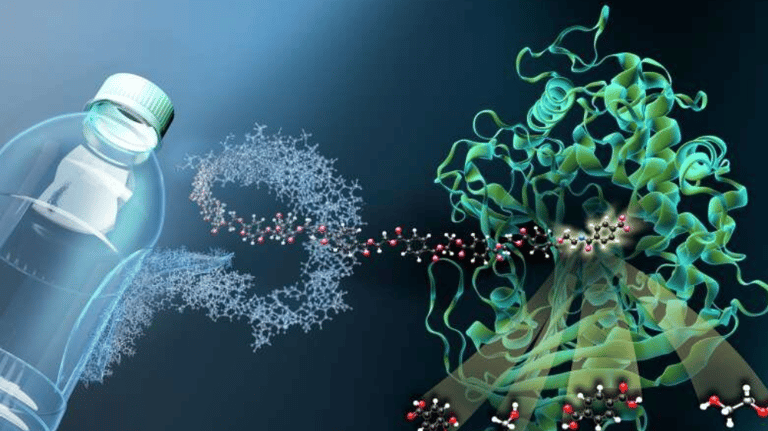
Plastic Digesting Enzymes
Instead of residing in our landfills and oceans for thousands of years, PET (a type of plastic) can be broken down by PETase and MHETase
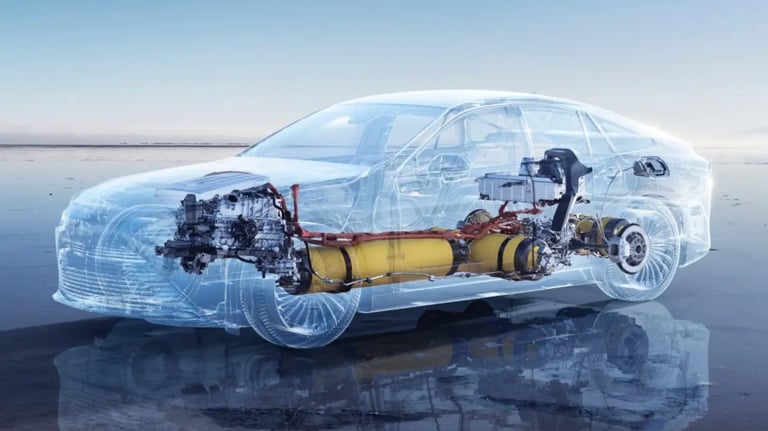
Unlike EV's, fuel cell cars use hydrogen powered fuel cell stacks are used for energy.
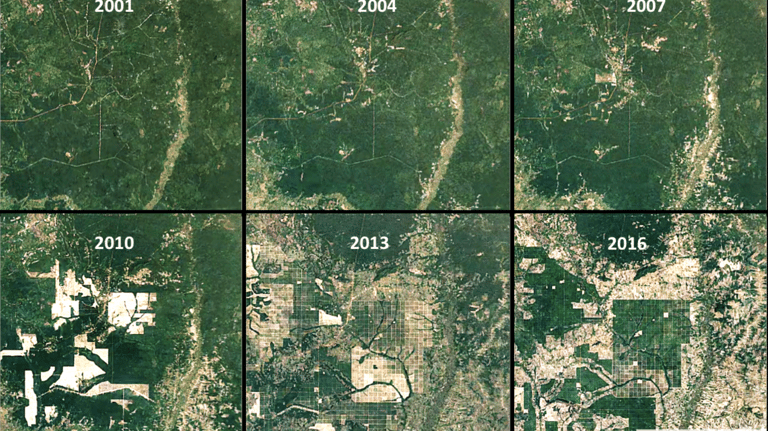
Satellite Imagery
Satellite imagery data is now being used to track deforestation through optical, radar, and thermal sensors.
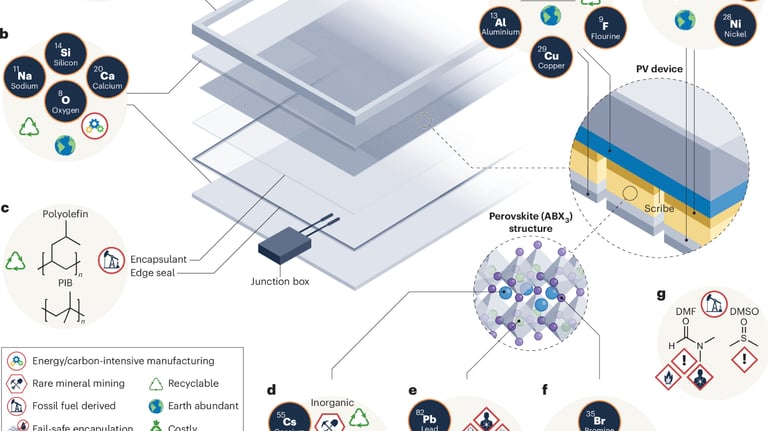
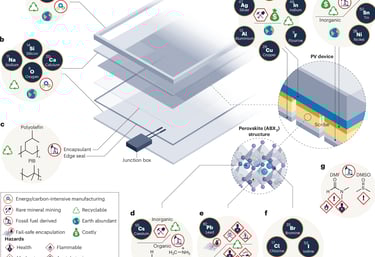
Perovskite Solar Panels
Perovskite solar cells can efficiently convert sunlight into electricity. Unlike solar panels using silicon, those with perovskites can be more affordable and easier to produce.


GeopolymerConcrete
Made of recycled materials and other bio products, enabling concrete production to be less reliant on naturally sourced materials.
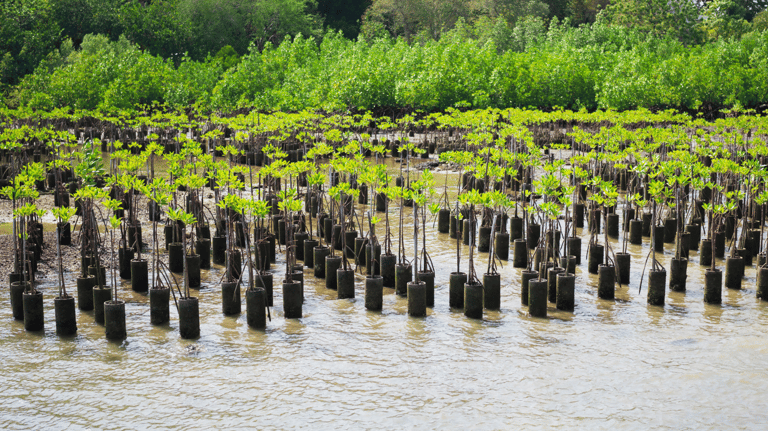
Satellites identify coastal spots where planting mangroves will protect shorelines and store the most carbon.
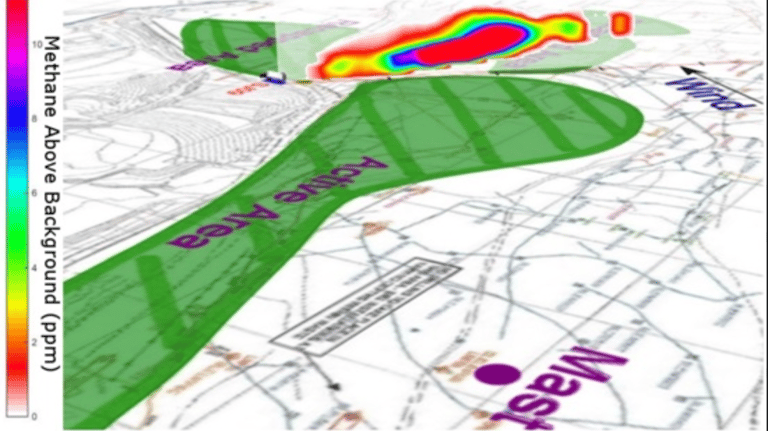
Emissions-mapping satellites show which waste sites need methane capture systems installed.
In addition to capturing carbon from the ocean, direct air capture is crucial in removing carbon from the atmosphere, which is leading to more heat being trapped and reflected towards our planet.
Advanced recycling systems can dramatically reduce our use of new raw materials, such as trees for cardboard. With new infrastructure, we can now recycle over 33 million tons of cardboard. Updated processes such as de-inking, sorting, and pulping can quickly and safely recycle materials.
Methane Gas Capture in Landfills
Mangrove Restoration
Cardboard Recycling
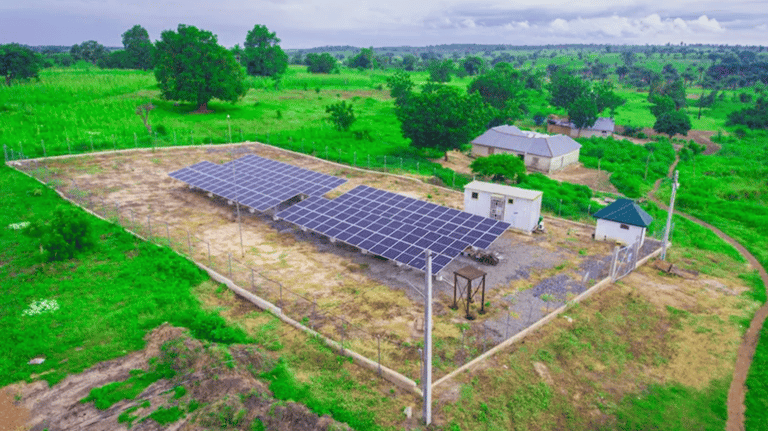
Renewable Mircrogrids
Carbon Sequestration
Satellite population and terrain data help plan off-grid solar and battery systems for remote villages
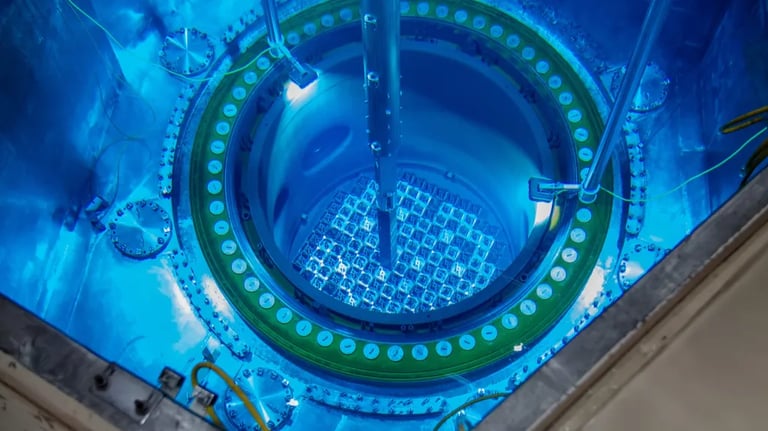
Sustainable Uranium Reactors
Nuclear Energy Might Be The Future to Solving Our Energy Crisis. Uranium nuclear reactors help the environment primarily by generating massive amounts of clean, baseload electricity without emitting greenhouse gases